The Cameroon's Biggest Unveiling the Region’s Premier Charcoal Factory
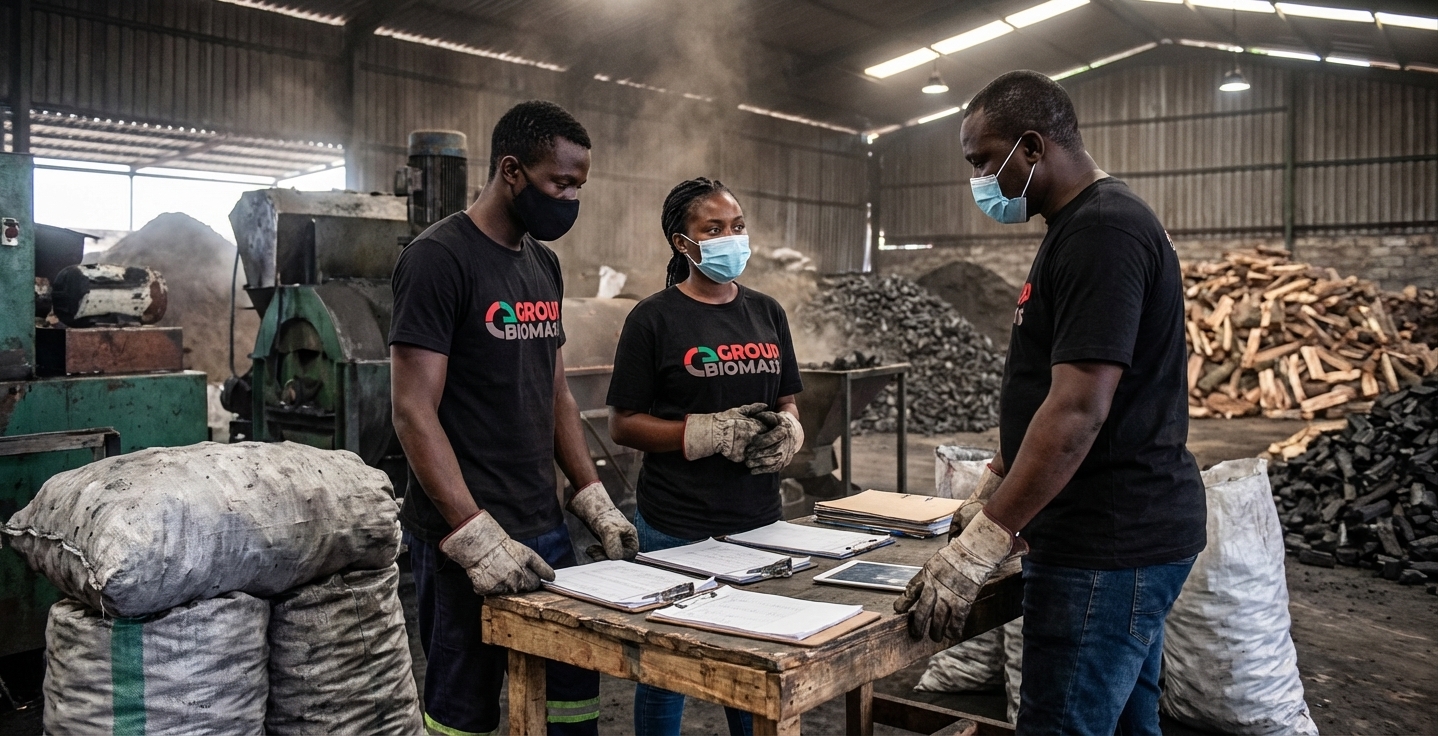
Deep within the nation , a significant facility stands as a symbol to the growing demand for biomass. This commercial complex, reportedly the country’s largest wood factory , is attracting attention for both its scale and the possible environmental impact . While providing employment for nearby communities, the factory's operations are sparking concerns about ethical forest management and the overall well-being of Cameroon’s forests .
Hardwood Lump Carbon Shipment Boom: Cameroon’s Rising Player
Cameroon is seeing a substantial surge in hardwood lump charcoal shipments, positioning itself as a important player in the global industry. Thanks to growing demand from European United States and Asian markets, the region’s production of this renewable fuel is quickly increasing, offering promising opportunities for local communities and boosting the regional financial situation. The focus on sustainably sourced wood lump charcoal is demonstrating to be a essential factor in attracting international customers.
Inside Cameroon’s Hardwood Lump Charcoal Factory: Production & Sustainability
Stepping across a common Cameroon hardwood lump carbon factory shows a remarkably straightforward method of production. Raw hardwood, often obtained from sustainable woodlands, are thoroughly cut and transported to a furnace. Inside, the wood is slowly cooked with restricted oxygen, a procedure that changes it as lump charcoal. Although the established methods applied can be demanding, increasingly contemporary factories are incorporating improved systems and trying ways to boost both efficiency and nature conservation. This includes investing in clean power and introducing thorough debris control approaches.
The Wood Charcoal Sector : A Key Player in Worldwide Exports
Despite mounting environmental concerns , Cameroon’s charcoal trade remains a surprising but vital contributor in the global shipment arena . The manufacture of charcoal from trees is a important origin of income for many of Cameroonian households , particularly in remote zones. This practice generates a substantial volume of wood charcoal heading for foreign consumers, often providing cooking needs in other regions, though this need creates problems relating to deforestation and eco-friendly forest management .
La Face à Charbon de Bois Lump de Bois et Des Briquettes Une Point de Vue Camerounaise
Dans le Cameroun , le décision entre un combustible de bois dur massif et les get more info briquettes soulève une matière. Habituellement, le charbon de bois est préféré pour son saveur typique et sa qualité à donner une chaleur intense , idéale pour la rôtisseries locales . Néanmoins, , les briquettes , davantage faciles de trouver et moins économiques , gagnent à attention, notamment auprès les communautés citadines .
Sustainable Charcoal Making : The Trajectory of Cameroon Timber Sector
The conventional method of charcoal production in Cameroon presents a major challenge to its valuable hardwood timberlands. However, emerging sustainable approaches offer a hopeful path forward. These feature technologies like agricultural waste gasification and efficient earth systems, which reduce deforestation, decrease emissions, and provide financial opportunities for local villagers. Embracing these eco-friendly alternatives is essential to preserving Cameroon's precious heritage and guaranteeing the long-term future of its hardwood business while tackling climate concerns.